Blepharoplasty (eyelid lift) is performed to correct several different eyelid problems.
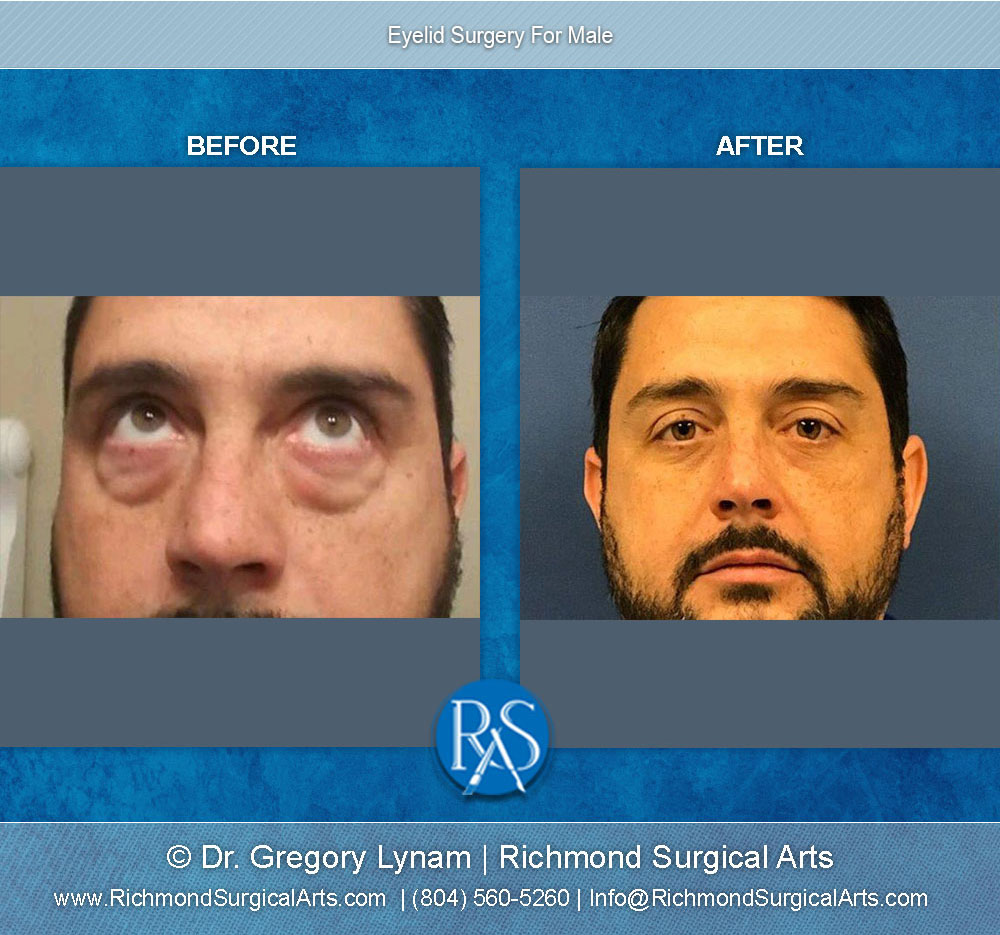
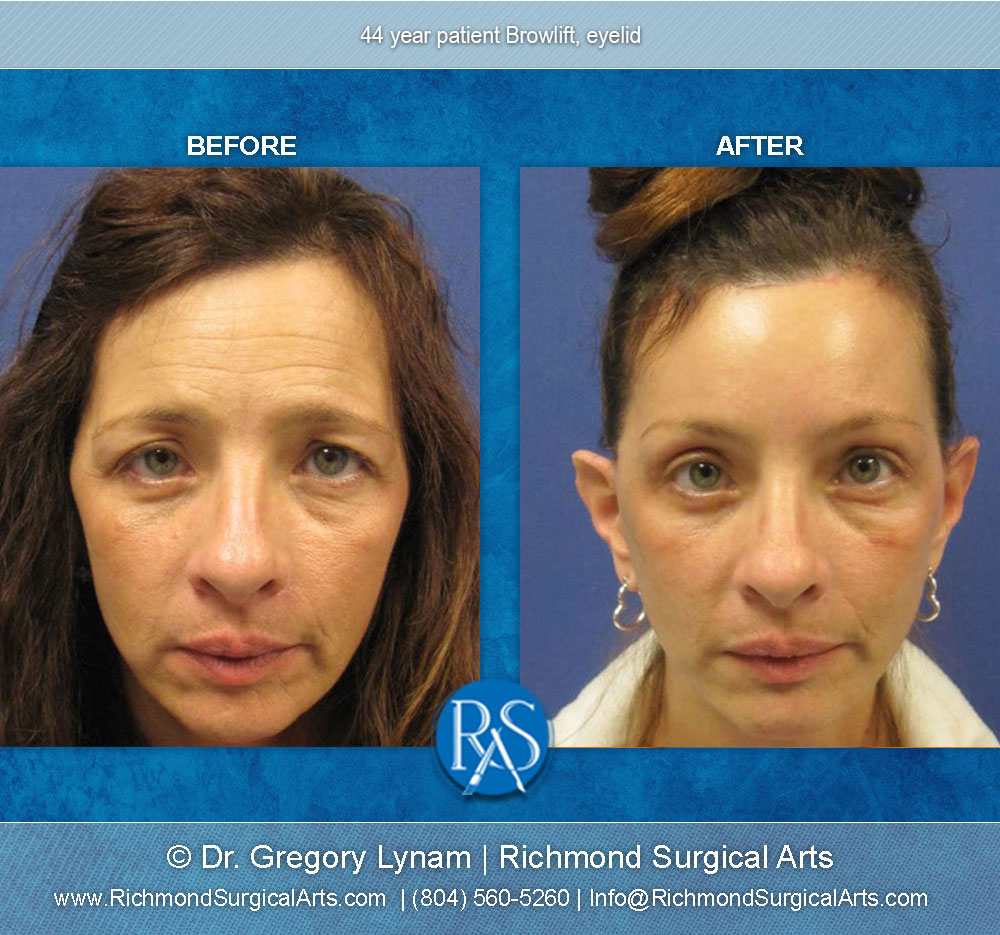
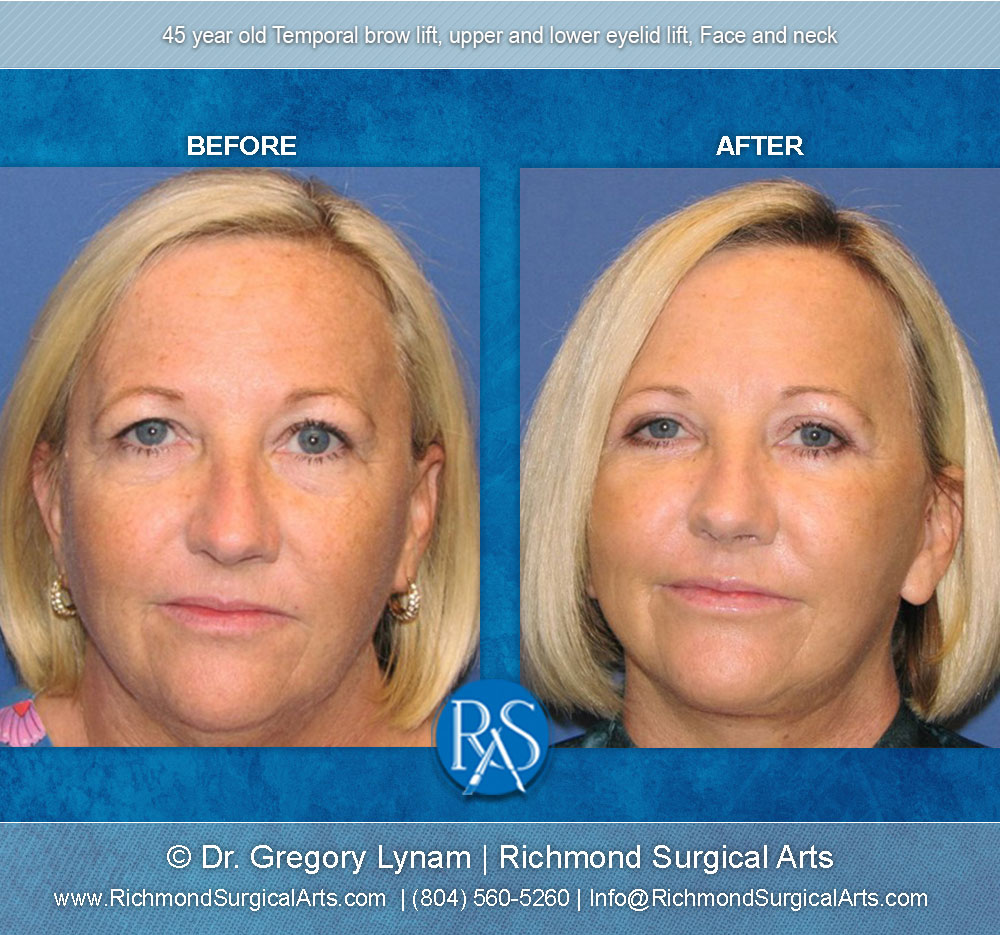
The most common requests are to remove drooping skin from the upper eyelids (which sometimes impairs vision) and to remove the puffiness (“bags”) and wrinkles from below the lower eyelids that can make you appear tired or sad.
Cosmetic eyelid surgery corrects the excess skin, muscle tissue, and fat that contributes to the bulges and pouches in both the upper and lower eyelids revealing a more youthful and energetic appearance. The age at which the procedure is performed varies widely due to differences in the aging process and genetic predisposition. The surgery is performed on both men and women aged 30 to 80 years old. Certain medical conditions that cause eyelid problems may require an evaluation by an ophthalmologist prior to surgery.
Eyelid Lift gallery
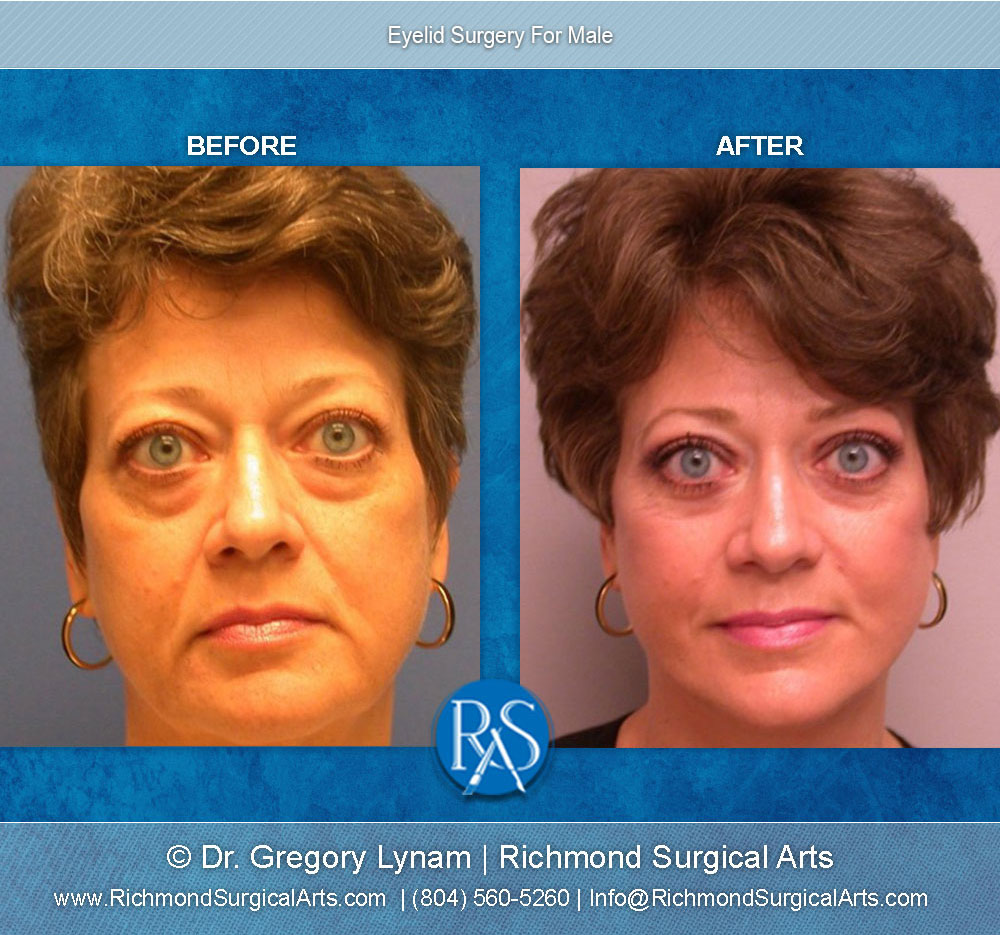
Blepharoplasty Procedure
Blepharoplasty is a very safe procedure and varies in technique depending on what the patient desires to be corrected.
Incisions to remove the excess skin and fat are made in the region of your natural upper or lower eyelid crease. Placing the incision here allows the scar to be hidden so that it is practically imperceptible. Skin sutures dissolve or are removed one week after surgery. Lower eyelid surgery varies more in technique depending on what the patient wishes to correct. Small lumps may be removed from inside the eye using the “transconjunctival approach.”
There are no visible incisions on the skin with this technique. Often, a chemical peel of the lower eyelid skin is combined with this procedure to tighten and improve fine skin wrinkles. If needed, a small “pinch of skin” may be removed externally to improve the cosmetic result. Using modern techniques, traditional lower blepharoplasty may be performed to remove or reposition fat and muscle.
These techniques allow Dr. Lynam to preserve tissue and reposition the muscle and fat to help restore a natural, youthful look. Often, a small amount of fat harvested from a patient’s abdomen can be used to fill out hollow eyes or cheek regions at the same time. If the lateral aspect of the eye has drooped or if the white of the eye is showing above the lower eyelid, a canthoplasty is needed to return the lid to a more youthful shape and position.
The blepharoplasty is done on an outpatient basis and takes 1-2 hours to perform depending on whether both upper and lower lids are being revamped. It is done under general anesthesia or sedation. Under certain circumstances, surgery may be performed using local anesthesia with sedation.
Candidates for Blepharoplasty
After Surgery
The best way to determine if you are a good candidate for the blepharoplasty procedure is to schedule a consultation. You will learn the reasonable expectations for the goals you wish to achieve.
RSA BLOG
Stay updated regarding our offers, procedures and events

Facial Filler Treatments – Erase the Signs of Aging with JUVÉDERM®
JUVÉDERM® treatments are designed to dramatically reduce the signs of aging, and can help alleviate all manner of symptoms from fine lines to deep folds and wrinkles. JUVÉDERM® can help to make facial skin feel and look firmer. As we get older, our skin begins to lose...

Top 10 Holiday Treatments at Richmond Surgical Arts
The holiday season is a time when we all want to look and feel our best. We have parties to attend or host, photos to pose for and hours to spend among friends and family members we haven’t seen in years. Here are the top 10 treatments we recommend getting for...

8.16.23 is JUVEDERM DAY!
Book NOW for your filler appointment on the first-ever JUVEDERM DAY: August 16. · Buy one $75 gift card, get one FREE! This offer will ONLY be available ON AUGUST 16, through Alle Rewards, starting at 12:00 EST. *This offer is NOT for sale from our office* · MUST be...